Steering Wheel Shakes When Braking: Causes, Fixes, and Safety Tips (U.S. Drivers)
If your steering wheel shakes when braking, it’s not just annoying—it can be a warning sign of a serious safety issue. Many U.S. drivers experience this problem at some point, especially at highway speeds or during sudden stops. Understanding why your steering wheel shakes when braking, what causes it, and how to fix it can help you avoid costly repairs and keep your vehicle safe.
What Does It Mean When the Steering Wheel Shakes When Braking?
When the steering wheel shakes when braking, it usually means something in your braking or suspension system isn’t working correctly. The vibration often starts in the wheels and transfers through the suspension into the steering wheel. In many cases, the shaking becomes worse at higher speeds.
This issue is closely related to problems like car shaking when braking, brake pedal vibration, and even car vibrates at high speed. While some causes are minor, others can lead to brake failure if ignored.
Most Common Causes of Steering Wheel Shakes When Braking
Below are the most common reasons your steering wheel shakes when braking, based on automotive repair data and U.S. mechanic best practices.
1. Warped Disc Brake Rotor (Most Common Cause)
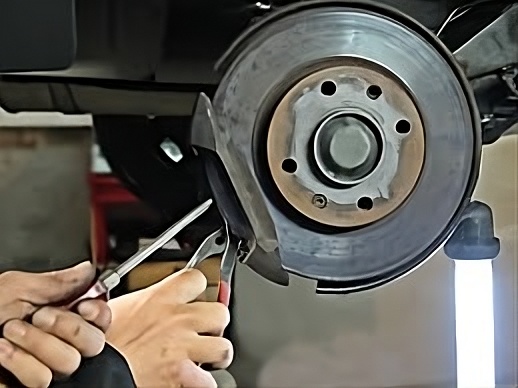
A warped disc brake rotor is the number one reason the steering wheel shakes when braking. Brake rotors can warp due to:
Overheating from aggressive braking
Long downhill driving
Worn-out brake pads
Cheap or low-quality rotors
When rotors warp, the brake pads don’t grip evenly. This uneven contact creates vibrations that travel up to the steering wheel. If you notice the steering wheel shakes when braking at highway speeds, warped rotors are the most likely culprit.
Symptoms include:
Pulsating brake pedal
Steering wheel vibration during braking
Squealing or grinding noises
2. Uneven Tire Wear
Uneven tire wear can also cause the steering wheel shakes when braking. Tires with bald spots, cupping, or improper balance can create vibrations that become more noticeable when you slow down.
Common causes of uneven tire wear:
Poor wheel alignment
Incorrect tire pressure
Worn suspension components
In some cases, drivers think the problem is braking-related, but the real issue is tire imbalance combined with braking force.
3. Brake Pedal Vibration Due to Worn Brake Pads
If you feel brake pedal vibration along with a shaking steering wheel, worn or uneven brake pads may be to blame. Pads that wear unevenly can apply inconsistent pressure to the rotors, causing shaking.
Low-quality brake pads are especially prone to this issue, particularly in high-temperature driving conditions common in many U.S. states.
4. Calipers Sticking on Brakes
Calipers sticking on brakes can cause constant pressure on one side of the rotor. This leads to overheating, rotor warping, and eventually the steering wheel shakes when braking.
Signs of sticking brake calipers include:
Car pulling to one side
Burning smell after driving
Reduced fuel efficiency
This issue should be fixed immediately, as it can lead to brake failure.
5. Car Vibrates at High Speed and When Braking
If your car vibrates at high speed and the vibration becomes worse when braking, the problem may involve:
Unbalanced wheels
Bent rims
Worn wheel bearings
At high speeds, even small imbalances become noticeable. When braking adds extra force, the vibration transfers to the steering wheel.
6. Suspension or Steering Component Wear
Worn suspension parts such as tie rods, ball joints, or control arm bushings can amplify braking vibrations. When these parts wear out, they allow excessive movement, making the steering wheel shakes when braking much more noticeable.
Why Does My Car Shake When I Brake?
Many drivers ask, why does my car shake when I brake, especially when the issue suddenly appears. The answer usually lies in a combination of braking heat, friction, and worn components.
Braking creates extreme heat. If any part of the braking system is uneven, damaged, or worn, that heat leads to vibration. Over time, this results in car shaking when braking and eventually steering wheel instability.
Is It Safe to Drive When the Steering Wheel Shakes When Braking?
Short answer: No, it’s not safe to ignore.
Driving with a steering wheel that shakes when braking can:
Increase stopping distance
Reduce steering control
Lead to brake system failure
In the U.S., where highway speeds are high, this problem becomes even more dangerous. If the vibration is severe, you should have your vehicle inspected immediately.
How to Diagnose Steering Wheel Shakes When Braking
Here’s how mechanics usually diagnose the issue:
Test drive to identify when the vibration occurs
Inspect brake rotors for warping or scoring
Check brake pads for uneven wear
Examine tires for uneven tire wear
Inspect calipers for sticking or leaks
Check suspension components
A professional inspection ensures the correct fix and prevents unnecessary repairs.
How to Fix Steering Wheel Shakes When Braking
Replace or Resurface Brake Rotors
If warped rotors are confirmed, they may need resurfacing or replacement. In most U.S. repair shops:
Rotor resurfacing: $150–$300
Rotor replacement: $300–$700
Install High-Quality Brake Pads
Premium ceramic or semi-metallic pads reduce vibration and heat buildup, helping prevent the steering wheel shakes when braking in the future.
Fix Sticking Brake Calipers
Repairing or replacing calipers sticking on brakes can cost between $250 and $600 per axle but is critical for safety.
Tire Rotation, Balancing, and Alignment
Correcting uneven tire wear through alignment and balancing often eliminates vibration issues entirely.
Preventing Steering Wheel Shakes When Braking
Follow these tips to prevent the problem:
Avoid hard braking whenever possible
Replace brake pads on time
Rotate and balance tires regularly
Use high-quality brake components
Schedule routine brake inspections
Preventive maintenance is especially important for U.S. drivers who frequently drive at highway speeds.
Frequently Asked Questions (FAQs)
Can warped rotors cause steering wheel vibration?
Yes, a warped disc brake rotor is the most common cause of the steering wheel shakes when braking.
Why does the steering wheel shake only at high speeds?
At higher speeds, imbalances and rotor imperfections are amplified, making vibrations more noticeable.
How long can I drive with shaking when braking?
It’s not recommended. Continued driving can worsen damage and increase repair costs.
Does uneven tire wear affect braking vibration?
Yes, uneven tire wear can significantly contribute to steering wheel and brake pedal vibration.
Disclaimer:
This content is for informational purposes only and does not replace professional mechanical inspection. Always consult a certified mechanic for vehicle safety concerns.
Final Thoughts
If your steering wheel shakes when braking, don’t ignore it. Whether the issue is a warped disc brake rotor, uneven tire wear, brake pedal vibration, or calipers sticking on brakes, early diagnosis saves money and keeps you safe.
For U.S. drivers, maintaining a reliable braking system is essential due to higher speed limits and longer driving distances. Address the issue promptly, and your vehicle will remain smooth, safe, and responsive on the road.
Author Note: This article is written based on automotive industry standards, common U.S. repair practices, and real-world mechanical diagnostics to ensure accuracy, trustworthiness, and value for readers.


 Rameez Aslam
[…] your steering wheel shakes when braking, the issue is often related to the front braking system, since front brakes handle about 70% of […]
[…] you notice the steering wheel shakes when braking, uneven tire wear may be contributing to the issue. Uneven tread causes inconsistent contact with […]