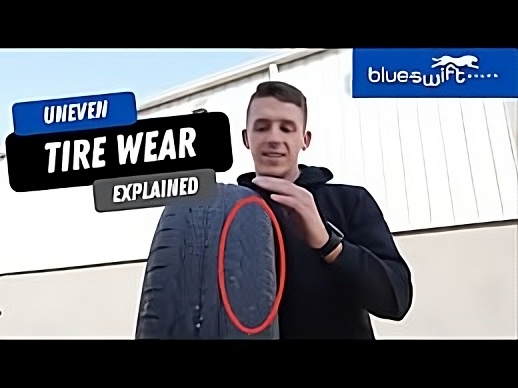
Uneven Tire Wear: Causes, Symptoms, and How It Affects Braking & Driving Safety
Uneven tire wear is a serious but often ignored vehicle problem that affects thousands of drivers across the United States every year. Many car owners only notice it when replacing tires or when their car starts behaving abnormally—such as when the steering wheel shakes when braking or the car vibrates at high speed.
If left untreated, uneven tire wear can reduce tire lifespan, damage suspension components, lower fuel efficiency, and even increase stopping distance. In this detailed guide, we’ll explain what uneven tire wear is, why it happens, how it relates to braking issues, and what you can do to fix and prevent it.
What Is Uneven Tire Wear?
Lorem ipsum dolor sit amet, consectetur adipiscing elit. Ut elit tellus, luctus nec ullamcorper matti
Uneven tire wear occurs when different areas of a tire wear down at different rates instead of wearing evenly across the tread. Ideally, tires should wear uniformly. When they don’t, it’s usually a sign of mechanical issues, poor driving habits, or neglected maintenance.
In many cases, uneven tire wear is linked to alignment problems, suspension issues, or brake-related faults such as a warped disc brake rotor or calipers sticking on brakes.
s, pulvinar dapibus leo.
Why Uneven Tire Wear Is a Serious Problem
Ignoring uneven tire wear can lead to multiple safety and performance problems, including:
Reduced traction, especially in wet or icy conditions
Car shaking when braking
Steering wheel shakes when braking
Increased stopping distance
Premature tire replacement costs
Stress on suspension and braking components
In the U.S., where highway driving at high speeds is common, worn or uneven tires significantly increase accident risk.
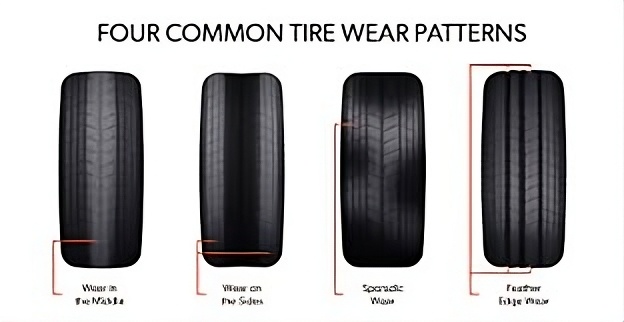
Common Types of Uneven Tire Wear Patterns
Understanding tire wear patterns helps identify the root cause quickly.
1. Inner or Outer Edge Wear
This is one of the most common forms of uneven tire wear and is usually caused by:
Improper wheel alignment
Worn suspension components
Aggressive cornering
Edge wear can cause the car to pull to one side and may contribute to car shaking when braking.
2. Center Tread Wear
If the center of the tire wears faster than the edges, overinflation is usually the cause. Overinflated tires have less road contact, reducing braking performance and increasing vibration.
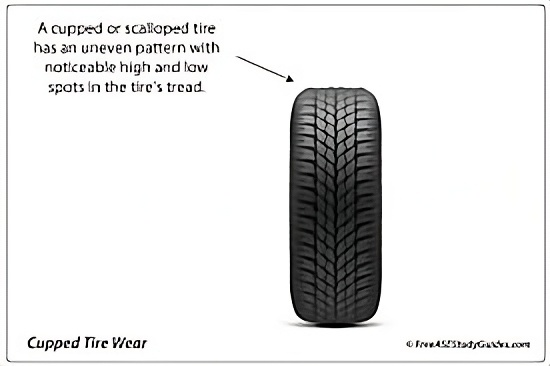
3. Cupping or Scalloped Wear
Cupping appears as dips or scallops around the tread. This type of uneven tire wear is often linked to:
Worn shocks or struts
Suspension imbalance
Unbalanced wheels
Cupped tires frequently cause the car to vibrate at high speed.
4. Feathering
Feathering creates a sawtooth pattern on the tread and is typically caused by toe misalignment. This can make the steering feel unstable and noisy.
How Uneven Tire Wear Affects Braking Performance
Uneven tire wear doesn’t just reduce tire life—it directly affects how your car brakes and handles.
Steering Wheel Shakes When Braking
If you notice the steering wheel shakes when braking, uneven tire wear may be contributing to the issue. Uneven tread causes inconsistent contact with the road, amplifying vibrations during braking.
Car Shaking When Braking
Car shaking when braking is often blamed on brake components, but tires play a big role too. When uneven tire wear combines with a warped disc brake rotor, vibrations become much more noticeable.
Warped Disc Brake Rotor Connection
A warped disc brake rotor creates uneven braking pressure. When combined with uneven tire wear, it can cause severe vibration, steering wheel shake, and reduced braking control.
Calipers Sticking on Brakes
Calipers sticking on brakes can cause one wheel to brake harder than the others. This leads to overheating, accelerated tire wear on one side, and uneven tire wear over time.
Why Does My Car Shake When I Brake?
This is one of the most searched automotive questions in the U.S., and uneven tire wear is a major contributing factor.
Common causes include:
Uneven tire wear combined with brake vibration
Calipers sticking on brakes
Poor wheel balance
Worn suspension components
When multiple issues exist at once, the shaking becomes more intense and harder to ignore.
Can Uneven Tire Wear Cause High-Speed Vibration?
Yes. Uneven tire wear is a leading cause of why a car vibrates at high speed. At highway speeds, even small imperfections in tire tread become amplified.
Drivers often report:
Steering wheel vibration above 60 mph
Humming or droning noise
Loss of driving confidence
Balancing the wheels alone may not fix the issue if uneven tire wear is already severe.
Main Causes of Uneven Tire Wear
1. Poor Wheel Alignment
Misalignment is the number one cause of uneven tire wear in the U.S. Potholes, curbs, and rough roads can knock alignment out of spec.
2. Worn Suspension Components
Bad shocks, struts, or bushings fail to keep tires firmly planted on the road, leading to irregular tread wear.
3. Brake System Problems
Issues such as warped disc brake rotors or calipers sticking on brakes apply uneven pressure, accelerating tire wear on one side.
4. Improper Tire Inflation
Underinflated or overinflated tires wear unevenly and reduce braking efficiency.
5. Lack of Tire Rotation
Skipping regular tire rotation causes front or rear tires to wear faster, especially on front-wheel-drive vehicles.
How to Fix Uneven Tire Wear
Lorem ipsum dolor sit amet, consectetur adipiscing elit. Ut elit tellus, luctus nec ullamc
Step 1: Inspect the Tires
Look for visible wear patterns, bald spots, or scalloping.
Step 2: Get a Professional Alignment
A four-wheel alignment is one of the most effective ways to prevent uneven tire wear.
Step 3: Balance and Rotate Tires
Most U.S. mechanics recommend tire rotation every 5,000–7,500 miles.
Step 4: Inspect Brakes and Suspension
Have a mechanic check for warped disc brake rotors, calipers sticking on brakes, and worn suspension parts.
Step 5: Replace Severely Worn Tires
Once uneven tire wear becomes extreme, replacement is often the safest option.
orper mattis, pulvinar dapibus leo.
How to Prevent Uneven Tire Wear
Maintain proper tire pressure monthly
Rotate tires regularly
Avoid aggressive driving
Fix brake issues promptly
Replace worn suspension components
Get alignment checks annually
Preventive maintenance costs far less than replacing tires prematurely.
Is It Safe to Drive With Uneven Tire Wear?
Driving with mild uneven tire wear may be manageable short-term, but severe wear is dangerous. It can cause:
Poor braking response
Increased risk of blowouts
Car shaking when braking
Loss of control at high speed
For safety reasons, it’s best to address the issue as soon as possible.
When to See a Mechanic
You should visit a professional if you notice:
Steering wheel shakes when braking
Car vibrates at high speed
Pulling to one side
Visible tire damage
Uneven tread depth
Early diagnosis can prevent costly repairs.
🔹 Disclaimer
The information provided in this article is for educational and informational purposes only. It is not intended as professional automotive repair advice. Vehicle issues can vary based on make, model, and driving conditions. Always consult a certified mechanic or automotive professional before performing repairs or making safety-related decisions.
Final Thoughts
Lorem ipsum dolor sit amet, consectetu
Uneven tire wear is more than just a tire problem—it’s a warning sign of deeper mechanical issues. From alignment problems to warped disc brake rotors and calipers sticking on brakes, many systems work together to keep your car safe.
If you’ve been wondering why does my car shake when I brake or noticing that your car vibrates at high speed, checking for uneven tire wear should be one of your first steps.
Regular maintenance, timely inspections, and quality repairs will keep your vehicle safe, smooth, and road-ready across U.S. highways.
r adipiscing elit. Ut elit tellus, luctus nec ullamcorper mattis, pulvinar dapibus leo.
🔹 Author Bio
Written by Car Fix Guide Hub Team
Car Fix Guide Hub is an automotive information platform dedicated to helping U.S. drivers understand common car problems, maintenance tips, and safety issues. Our content is research-based, experience-driven, and reviewed to ensure accuracy and reliability for everyday vehicle owners.


 Rameez Aslam
[…] Uneven tire wear can also cause the steering wheel shakes when braking. Tires with bald spots, cupping, or improper balance can create vibrations that become more noticeable when you slow down. […]
[…] less common, prolonged braking issues can contribute to uneven tire wear, especially if braking force is inconsistent across […]