
Car Vibrates at High Speed: Causes, Symptoms, and Proven Fixes
If your car vibrates at high speed, it’s more than just an annoyance—it can be a warning sign of underlying mechanical or safety issues. Many U.S. drivers experience steering wheel shake, seat vibration, or floorboard buzzing once speeds exceed 55–70 mph. Ignoring these symptoms may lead to uneven tire wear, brake failure, or expensive suspension damage.
In this in-depth guide, we’ll explain why a car vibrates at high speed, how it relates to braking problems, tires, and suspension components, and what you can do to fix it safely and affordably.
Why Does My Car Vibrate at High Speed?
When a car vibrates at high speed, the issue usually comes from rotating components that become unstable as speed increases. Small imbalances that go unnoticed at low speeds can turn into severe shaking on highways.
Common causes include:
Tire imbalance or uneven tire wear
Brake calipers sticking on brakes
Suspension or steering component wear
Wheel alignment problems
Bent wheels or damaged rims
Understanding the root cause is essential before attempting any repairs.
1. Tire Imbalance and Uneven Tire Wear
One of the most common reasons a car vibrates at high speed is tire imbalance.
How Tire Imbalance Causes Vibration
When a tire’s weight isn’t evenly distributed, centrifugal force increases with speed. This creates noticeable vibration in the steering wheel, seat, or floor.
Uneven Tire Wear Explained
Uneven tire wear occurs when tires don’t contact the road evenly. This can be caused by:
Poor wheel alignment
Worn suspension parts
Incorrect tire pressure
Uneven tire wear often worsens vibration at highway speeds and reduces tire lifespan.
Fix:
Professional tire balancing
Wheel alignment
Replace severely worn tires
2. Warped Disc Brake Rotor and High-Speed Vibration
A warped disc brake rotor doesn’t only affect braking—it can also cause vibration while driving at high speed.
How Warped Rotors Develop
Brake rotors can warp due to:
Overheating from aggressive braking
Holding brakes after heavy stops
Uneven torque during installation
Symptoms
Steering wheel shakes when braking
Pulsating brake pedal
Car shaking when braking at highway speeds
Even when you’re not braking, warped rotors can create subtle vibrations that worsen at higher speeds.
Fix:
Rotor resurfacing (if within spec)
Rotor replacement (recommended for safety)
3. Steering Wheel Shakes When Braking
If your steering wheel shakes when braking, especially from high speed, the braking system is often the primary suspect.
Main Causes
Warped disc brake rotor
Uneven brake pad deposits
Calipers sticking on brakes
When braking pressure is uneven, vibration transfers directly to the steering wheel through the suspension and steering rack.
Fix:
Inspect rotors and pads
Replace seized brake calipers
Perform a proper brake service
4. Car Shaking When Braking at Highway Speeds
Many drivers ask: why does my car shake when I brake, even if it drives fine otherwise?
This happens because braking magnifies existing mechanical imperfections. At high speed, even slight inconsistencies can cause violent shaking.
Common Contributors
Warped rotors
Loose suspension bolts
Worn control arm bushings
Tire defects
Car shaking when braking should never be ignored, as it directly affects stopping distance and vehicle control.
5. Brake Calipers Sticking on Brakes
Calipers sticking on brakes are an often-overlooked reason a car vibrates at high speed.
How Sticking Calipers Cause Vibration
A stuck caliper keeps the brake pad in constant contact with the rotor, causing:
Excessive heat
Rotor warping
Uneven braking force
This leads to vibration both during cruising and braking.
Warning Signs
Burning smell
Pulling to one side
Poor fuel economy
Hot wheels after driving
Fix:
Caliper lubrication (minor cases)
Caliper replacement (severe cases)
6. Wheel Alignment and Suspension Issues
Improper alignment and worn suspension components can make a car vibrate at high speed, especially on U.S. highways.
Components to Inspect
Tie rods
Ball joints
Control arms
Struts and shocks
Worn suspension parts allow excessive wheel movement, which becomes more noticeable as speed increases.
Fix:
Four-wheel alignment
Replace worn suspension parts
7. Bent Wheels or Damaged Rims
Potholes, curb impacts, and road debris are common in the U.S. and can bend wheels without obvious visual damage.
A bent rim can cause:
Constant vibration
Steering instability
Premature tire wear
Fix:
Wheel straightening (if repairable)
Wheel replacement
8. Driveshaft and CV Joint Problems
In rear-wheel-drive and all-wheel-drive vehicles, driveshaft imbalance or worn CV joints can cause vibration at high speeds.
Symptoms
Vibration increases with acceleration
Clunking noises
Shuddering at highway speeds
Fix:
Driveshaft balancing
CV joint replacement
Car Vibrates at High Speed: Causes, Symptoms, and Proven Fixes
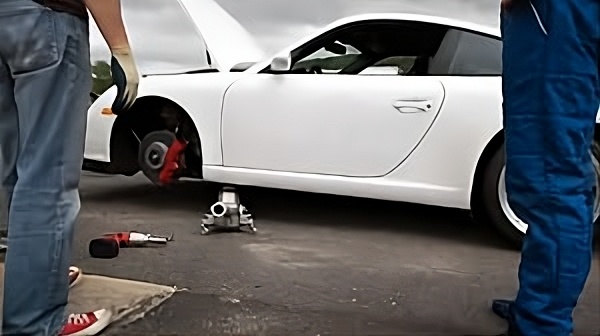
How to Diagnose Car Vibrates at High Speed
Use this quick checklist:
| Symptom | Likely Cause |
|---|---|
| Vibration only at high speed | Tire imbalance |
| Steering wheel shakes when braking | Warped disc brake rotor |
| Car shaking when braking | Brake system issues |
| Vibration after hitting pothole | Bent wheel |
| Pulling while driving | Alignment or caliper issue |
A professional inspection is strongly recommended for accurate diagnosis.
Is It Safe to Drive When Car Vibrates at High Speed?
Short answer: No.
Driving with vibration can:
Increase stopping distance
Cause tire blowouts
Damage suspension components
Lead to brake failure
If your car vibrates at high speed, schedule an inspection immediately.
Cost to Fix High-Speed Car Vibration (U.S. Estimates)
| Repair | Average Cost |
|---|---|
| Tire balancing | $20–$50 |
| Wheel alignment | $80–$150 |
| Brake rotor replacement | $300–$600 |
| Caliper replacement | $250–$500 |
| Suspension repair | $200–$1,500 |
Costs vary by vehicle and location.
Preventing Car Vibration at High Speed
Follow these preventive tips:
Rotate tires every 5,000–7,500 miles
Avoid aggressive braking
Balance tires after replacement
Inspect brakes annually
Fix alignment issues early
Preventive maintenance saves money and improves safety.
Frequently Asked Questions (FAQs)
Why does my car vibrate at high speed but not low speed?
Because imbalance issues worsen as rotational speed increases.
Can uneven tire wear cause vibration?
Yes, uneven tire wear is a major cause of high-speed vibration.
Can bad brakes cause vibration without braking?
Yes, warped disc brake rotors or sticking calipers can cause constant vibration.
Is steering wheel shake dangerous?
Absolutely. Steering wheel shakes when braking can indicate brake failure risks.
Final Thoughts
If your car vibrates at high speed, don’t ignore it. From uneven tire wear to warped disc brake rotors and calipers sticking on brakes, the causes vary—but the risks are real. Early diagnosis protects your vehicle, your wallet, and your safety.
For U.S. drivers, regular maintenance and timely inspections are the best defense against highway vibration problems.
Disclaimer
This article is for informational purposes only. Always consult a certified automotive technician for accurate diagnosis and repairs.
Author Bio
Car Fix Guide Hub is an automotive education platform dedicated to helping U.S. drivers understand vehicle problems, maintenance, and repair costs through expert-backed, easy-to-understand guides.


 Rameez Aslam
Thank you for such a great information.
[…] Car vibrates at high speed […]