How to Change Oil: A Complete Step-by-Step Guide for Beginners (2025)
Changing your engine oil is one of the most important car maintenance tasks you can do yourself. If you’re wondering how to change oil, how often it should be done, or whether it’s worth doing at home, this detailed guide will answer all your questions.
Regular oil changes improve engine performance, increase fuel efficiency, and extend the life of your vehicle. Whether you drive a sedan, SUV, or pickup truck in the US, learning how to change oil in a car can save you money and help you understand your vehicle better.
Why Oil Changes Are So Important
Engine oil lubricates moving parts, reduces friction, and helps keep the engine cool. Over time, oil becomes dirty and loses its effectiveness. When this happens, your engine works harder and can suffer permanent damage.
Benefits of Regular Oil Changes
Improves engine performance
Prevents overheating
Reduces engine wear
Improves gas mileage
Extends engine lifespan
Skipping oil changes can lead to sludge buildup, reduced efficiency, and expensive repairs.
How Often to Change Oil (Updated US Guidelines)
One of the most common questions drivers ask is how often to change oil.
General Oil Change Intervals
Conventional oil: Every 3,000–5,000 miles
Synthetic blend: Every 5,000–7,500 miles
Full synthetic oil: Every 7,500–10,000 miles
However, always check your vehicle owner’s manual. Modern cars in the US often recommend longer intervals, especially if you use synthetic oil.
Factors That Affect Oil Change Frequency
Driving in extreme heat or cold
Frequent short trips
Towing or heavy loads
Stop-and-go traffic
If you drive under severe conditions, you may need oil changes more often.
What You Need Before You Start
Before learning how to do oil change, gather the following tools and supplies:
Tools & Supplies Checklist
New engine oil (correct type & quantity)
New oil filter
Oil filter wrench
Socket wrench
Oil drain pan
Funnel
Jack and jack stands or ramps
Gloves and paper towels
Expert Tip: Use the oil type recommended by your manufacturer—usually listed on the oil cap or in the manual.

How to Change Oil: Step-by-Step Instructions
Follow these steps carefully to safely and correctly perform an oil change.
Step 1: Warm Up the Engine
Start your car and let it run for 2–3 minutes. Warm oil drains faster and removes more contaminants.
Step 2: Lift the Vehicle Safely
Park on level ground, engage the parking brake, and lift the vehicle using ramps or a jack and jack stands.
⚠️ Safety first: Never work under a car supported only by a jack.
Step 3: Drain the Old Oil
Locate the oil drain plug under the engine
Place the drain pan underneath
Use a wrench to loosen the plug
Let the oil drain completely (5–10 minutes)
Replace the drain plug securely once finished.
Step 4: Remove and Replace the Oil Filter
Use an oil filter wrench to remove the old filter
Lightly oil the rubber gasket on the new filter
Install the new filter hand-tight (do not over-tighten)
This step is essential when learning how to change oil in car correctly.
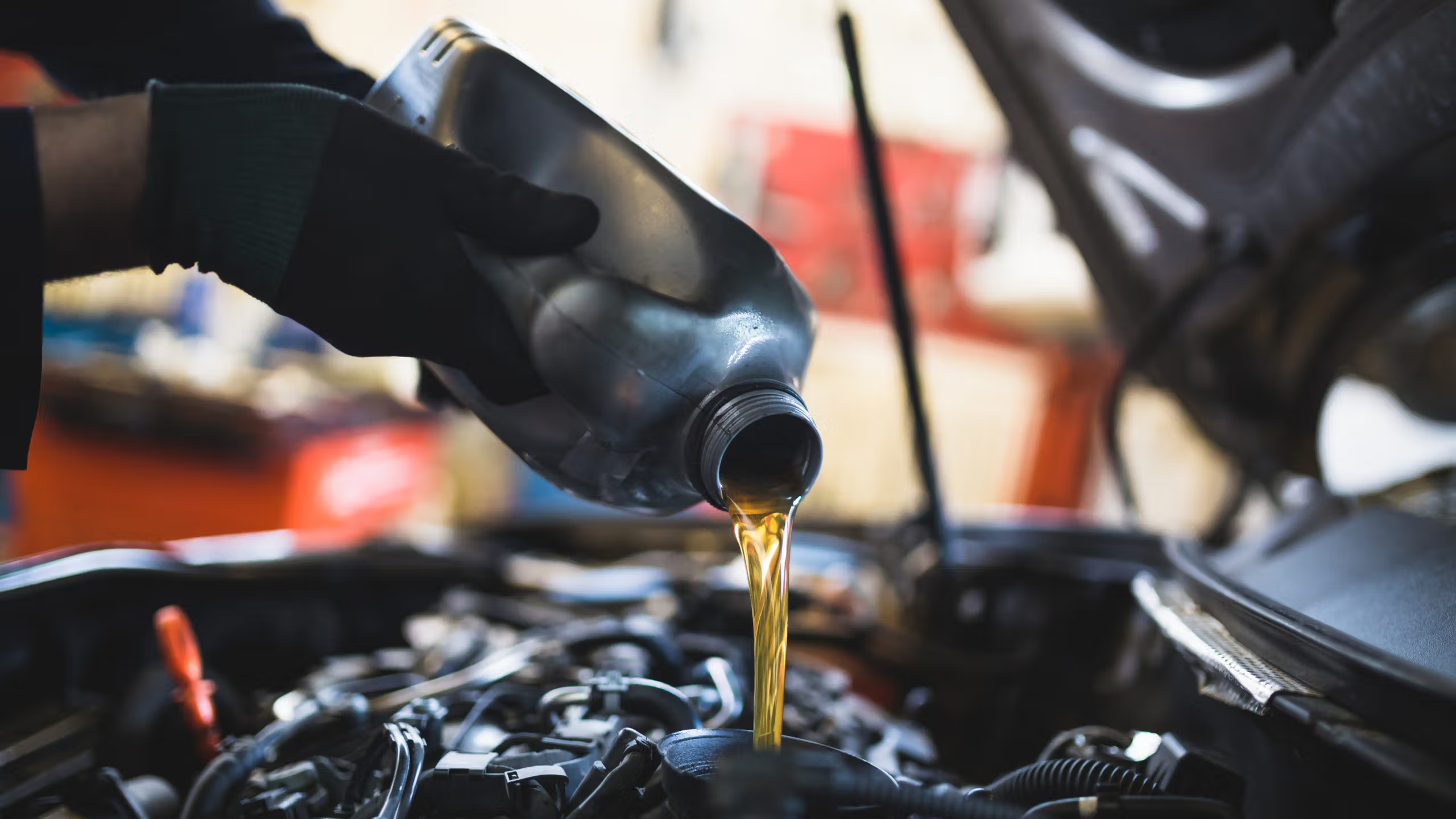
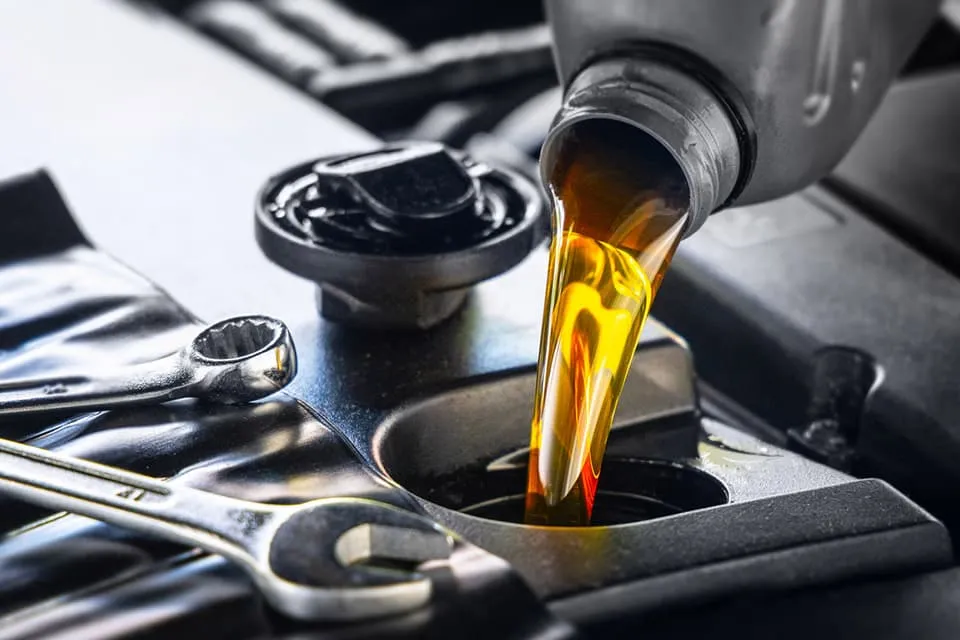
Step 5: Add New Oil
Remove the oil fill cap
Insert a funnel
Pour in the recommended amount of new oil
Replace the cap securely
Step 6: Check Oil Level
Start the engine and let it run for 30 seconds
Turn off the engine
Check the oil level using the dipstick
Add more oil if needed
How Long Does It Take to Do an Oil Change?
Many beginners ask how long does it take to do an oil change.
Time Breakdown
DIY oil change: 30–45 minutes
Professional service: 15–30 minutes
Your first oil change may take longer, but with practice, it becomes quick and easy.
How to Reset Oil Change Light
After changing your oil, you may need to reset the oil change reminder.
General Steps (Most Vehicles)
Turn the ignition to “ON” (engine off)
Press the gas pedal 3 times within 10 seconds
Turn the ignition off
Restart the car
Some newer vehicles require resetting through the dashboard menu. Always consult your owner’s manual for exact instructions on how to reset oil change light.
Common Mistakes to Avoid
When learning how to do oil change, avoid these mistakes:
Using the wrong oil type
Forgetting to replace the oil filter
Over-tightening the drain plug
Not disposing of used oil properly
Overfilling the engine
Proper Oil Disposal (US Regulations)
Never pour used oil down the drain or on the ground. In the US:
Auto parts stores often accept used oil
Recycling centers handle oil disposal
Some service stations accept oil for free
Proper disposal protects the environment and keeps you compliant with local laws.
DIY Oil Change vs Professional Service
DIY Oil Change
Pros
Saves money
Learn vehicle maintenance
Control over oil quality
Cons
Requires tools and space
Can be messy
Professional Oil Change
Pros
Quick and convenient
Includes inspection
No cleanup
Cons
Higher cost
Choose the option that best fits your lifestyle.
Cost of an Oil Change in the US
DIY oil change: $30–$60
Professional service: $60–$120
Synthetic oil costs more but lasts longer and offers better protection.
Expert Advice on Oil Changes (EEAT)
As automotive technicians recommend, regular oil changes are the single most important maintenance task for long engine life. According to industry standards, clean oil reduces engine wear by up to 40% compared to dirty oil.
If you’re unsure, consult a certified mechanic or follow manufacturer guidelines.
Frequently Asked Questions
Can I change oil myself as a beginner?
Yes. With basic tools and safety precautions, beginners can easily learn how to change oil.
Is synthetic oil better?
Yes, synthetic oil performs better in extreme temperatures and lasts longer.
What happens if I don’t change oil?
Skipping oil changes can cause engine sludge, overheating, and costly engine failure.
Final Thoughts
Learning how to change oil is a valuable skill for every car owner. It saves money, improves vehicle performance, and helps you maintain your car properly. By following this guide, you can confidently perform an oil change at home while meeting modern US automotive standards.
If you maintain a regular oil change schedule, your engine will reward you with smoother performance and longer life.


 Rameez Aslam