How to Change Oil in Car: A Complete Step-by-Step Guide for Beginners
Changing your car’s oil is one of the most important maintenance tasks you can do to keep your vehicle running smoothly. If you’ve ever wondered how to change oil in car at home, this detailed guide will walk you through everything step by step—even if you’re a beginner.
Learning how to change oil in car can save you money, extend engine life, and give you confidence as a car owner. Whether you drive a sedan, SUV, or pickup truck in the United States, the process is mostly the same.
Why Oil Changes Are So Important
Engine oil lubricates moving parts, reduces friction, removes dirt, and helps control engine temperature. Over time, oil breaks down and becomes contaminated, which can damage your engine if not replaced.
Here’s why learning how to change oil in car is critical:
Prevents engine wear and overheating
Improves fuel efficiency
Keeps your engine clean
Extends engine life
Helps maintain vehicle resale value
Ignoring oil changes can lead to costly engine repairs—something every car owner wants to avoid.
How Often to Change Oil in a Car
One of the most common questions drivers ask is how often to change oil.
General Guidelines (US Standards)
Conventional oil: Every 3,000–5,000 miles
Synthetic oil: Every 7,500–10,000 miles
High-mileage vehicles: Follow manufacturer recommendations
Always check your owner’s manual, as newer vehicles often have longer oil change intervals.
Driving conditions like heavy traffic, extreme temperatures, towing, or short trips may require more frequent oil changes.
Tools and Supplies You’ll Need
Before starting, gather everything you need. Being prepared makes how to do oil change much easier and safer.
Required Tools:
Car jack and jack stands or ramps
Oil filter wrench
Socket wrench
Oil drain pan
Funnel
Supplies:
New engine oil (correct type and amount)
New oil filter
Gloves and shop towels
💡 Pro tip: Auto parts stores in the US (AutoZone, Advance Auto Parts) will recycle used oil for free.
Step-by-Step Guide: How to Change Oil in Car
Follow these steps carefully to learn how to change oil in car the right way.
Step 1: Warm Up the Engine
Start your car and let it run for 2–3 minutes. Warm oil drains faster and removes more contaminants. Turn off the engine and engage the parking brake.
Step 2: Lift and Secure the Vehicle
Use a jack to lift the front of the car and secure it with jack stands. Never rely on a jack alone. Safety is critical when learning how to do oil change at home.
Step 3: Locate the Drain Plug
Slide under the car and find the oil pan. The drain plug is usually a bolt at the bottom of the pan.
Place the drain pan underneath before loosening the plug.
Step 4: Drain the Old Oil
Slowly loosen the drain plug using a socket wrench. Remove it by hand and allow the oil to drain completely (5–10 minutes).
This step is a key part of how to change oil in car, so don’t rush it.
Step 5: Replace the Oil Filter
Locate the oil filter and remove it using an oil filter wrench.
Before installing the new filter:
Apply a small amount of new oil to the rubber gasket
Screw it on by hand (do not overtighten)
Step 6: Reinstall the Drain Plug
Once the oil has fully drained, reinstall and tighten the drain plug securely—but not excessively tight.
Step 7: Add New Oil
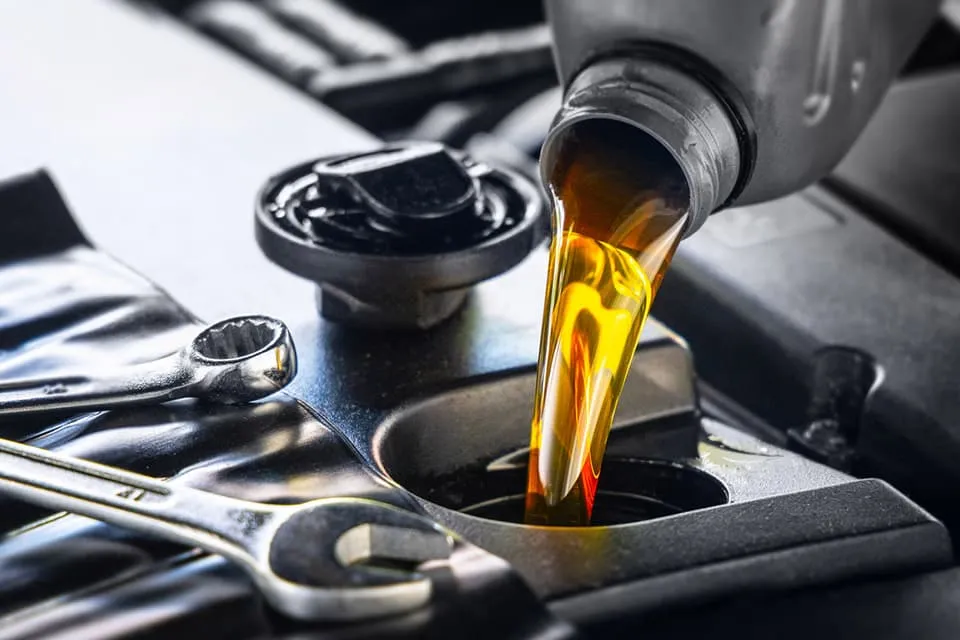
Open the hood and remove the oil filler cap. Use a funnel to pour in the recommended amount of oil.
Check the dipstick to ensure the oil level is correct.
Step 8: Start the Engine and Check for Leaks
Start the engine and let it run for 1–2 minutes. Check underneath for leaks.
Turn off the engine and recheck the oil level. Add more oil if needed.
Congratulations—you now know how to change oil in car safely and correctly.
How Long Does It Take to Do an Oil Change?
If you’re wondering how long does it take to do an oil change, here’s a realistic breakdown:
Beginner: 45–60 minutes
Experienced DIYer: 20–30 minutes
Professional shop: 15–20 minutes
Taking your time is perfectly fine, especially when learning how to change oil in car for the first time.
How to Reset Oil Change Light
After an oil change, many vehicles display a reminder. Learning how to reset oil change light is essential.
Common Method (Most Cars):
Turn ignition to “ON” (engine off)
Press the gas pedal 3 times within 10 seconds
Turn ignition off
Other Vehicles:
Use steering wheel buttons
Reset through infotainment menu
Follow instructions in owner’s manual
Each manufacturer is different, so always double-check your vehicle’s procedure.
Common Oil Change Mistakes to Avoid
When learning how to change oil, avoid these common errors:
Using the wrong oil type
Forgetting to replace the oil filter
Overtightening the drain plug
Underfilling or overfilling oil
Not resetting the oil change light
Avoiding these mistakes ensures your engine stays protected.
DIY Oil Change vs Professional Service
DIY Oil Change
Pros
Saves money
Convenient
Builds car knowledge
Cons
Requires tools
Can be messy
Professional Oil Change
Pros
Fast and easy
No cleanup
Cons
More expensive
Less control over oil quality
If you enjoy hands-on maintenance, learning how to change oil in car is absolutely worth it.
Is Changing Your Own Oil Worth It?
For most US drivers, yes. Doing your own oil change can save $30–$70 per service and ensures quality oil is used. Over a year, the savings add up.
More importantly, knowing how to change oil in car gives you better awareness of your vehicle’s condition.
Frequently Asked Questions (FAQs)
Can beginners change their own oil?
Yes. With basic tools and this guide, beginners can safely learn how to change oil in car.
What happens if I skip oil changes?
Skipping oil changes can cause engine sludge, overheating, and permanent damage.
Is synthetic oil better?
Synthetic oil lasts longer and performs better in extreme temperatures, making it ideal for many US climates.
Final Thoughts
Learning how to change oil in car is one of the best skills any car owner can have. It saves money, improves engine performance, and helps you take control of your vehicle’s maintenance.
By following this step-by-step guide, using the right tools, and changing oil at proper intervals, you’ll keep your car running smoothly for years to come.
If you’re serious about vehicle care, mastering how to change oil in car is the perfect place to start.


 Rameez Aslam