
How to Do Oil Change: Complete Step-by-Step Guide for US Drivers
Regular oil changes are one of the most important parts of vehicle maintenance. If you want to protect your engine, improve fuel efficiency, and avoid costly repairs, learning how to do oil change yourself can save both time and money. This detailed guide is designed specifically for US drivers and follows professional automotive best practices.
Whether you’re a beginner or someone looking to refresh your knowledge, this article will explain how to do oil change safely, correctly, and efficiently while following modern vehicle standards.
Why Engine Oil Change Is So Important
Engine oil lubricates moving parts, reduces friction, prevents overheating, and traps dirt and debris. Over time, oil breaks down and loses its effectiveness.
If you ignore oil changes, you may face:
Engine overheating
Reduced fuel economy
Sludge buildup
Premature engine wear
Voided vehicle warranty
That’s why understanding how to do oil change is essential for long-term vehicle health.
Tools & Supplies You’ll Need Before Starting
Before learning how to do oil change, gather these tools:
Correct engine oil (check owner’s manual)
New oil filter
Oil filter wrench
Socket wrench
Oil drain pan
Funnel
Car jack & jack stands (or ramps)
Gloves & safety glasses
Shop towels or rags
Using manufacturer-recommended oil is especially important for modern US vehicles.
How to Do Oil Change: Step-by-Step Process
Step 1: Park and Prepare the Vehicle
Park your car on a level surface and turn off the engine. Let it cool for 10–15 minutes. Engage the parking brake and place wheel chocks for safety.
This preparation step is crucial when learning how to do oil change safely.
Step 2: Lift the Car Securely
Use a car jack and jack stands or ramps to lift the front of the vehicle. Never rely solely on a jack.
Safety is a key part of how to do oil change properly.
Step 3: Drain the Old Oil
Locate the oil drain plug underneath the engine.
Place the drain pan directly below it.
Loosen the plug using a wrench.
Allow oil to drain completely (5–10 minutes).
This step removes old, contaminated oil and is central to how to do oil change correctly.
Step 4: Remove the Old Oil Filter
Use an oil filter wrench to remove the old filter. Some oil may spill, so keep the drain pan underneath.
Before installing the new filter:
Lightly coat the rubber gasket with fresh oil
Hand-tighten only (do not over-tighten)
Step 5: Reinstall Drain Plug
Once oil has fully drained:
Clean the drain plug
Reinstall it securely (do not overtighten)
This completes the underside work of how to do oil change.
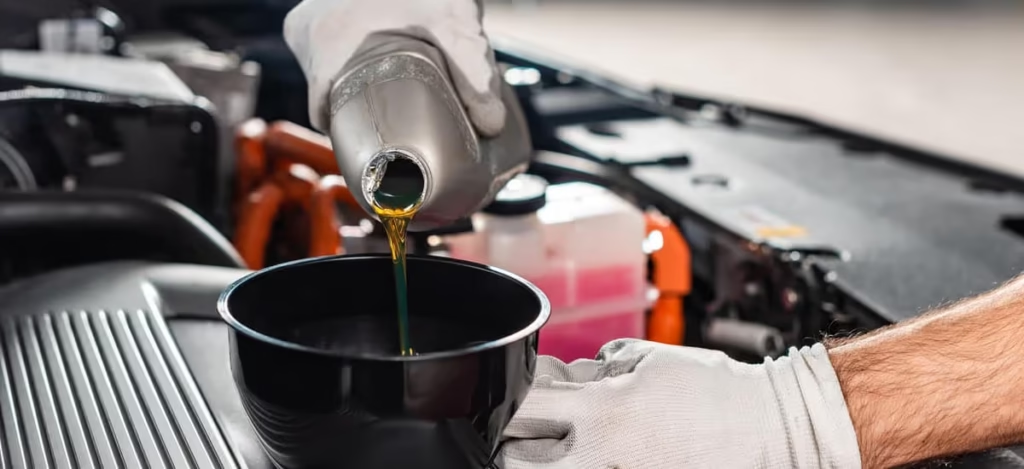
Step 6: Add New Engine Oil
Lower the car back to the ground. Open the hood and locate the oil fill cap.
Insert funnel
Pour in recommended oil quantity
Replace oil cap
Check the dipstick to confirm correct oil level. This final step completes the core process of how to do oil change.
Step 7: Start Engine & Check for Leaks
Start the engine and let it run for 30–60 seconds. Turn it off and inspect for leaks around the drain plug and filter.
Recheck oil level after a few minutes.
How Often to Change Oil in the US?
One of the most common questions is how often to change oil.
General guidelines:
Conventional oil: Every 3,000–5,000 miles
Synthetic oil: Every 7,500–10,000 miles
Severe driving conditions: Shorter intervals
Always follow your vehicle manufacturer’s recommendation.
How to Change Oil in Car vs Professional Service
Learning how to change oil in car yourself has benefits:
DIY Oil Change Pros
Saves money
Convenient
Better understanding of your vehicle
Professional Service Pros
Faster
Inspection included
Proper disposal handled
If you enjoy car maintenance, mastering how to do oil change is worth it.
How Long Does It Take to Do an Oil Change?
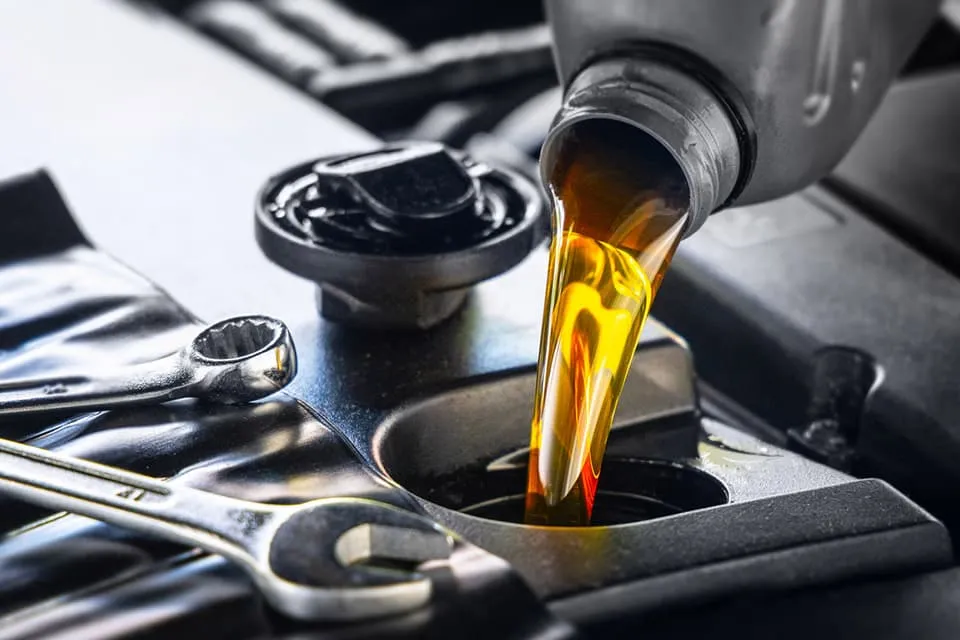
Another popular question is how long does it take to do an oil change.
DIY oil change: 30–45 minutes
Professional service: 15–25 minutes
Experience, vehicle type, and tools can affect time.
How to Reset Oil Change Light After Service
After completing how to do oil change, many modern cars require resetting the oil reminder.
General Steps:
Turn ignition to “ON” (engine off)
Navigate to oil reset menu
Hold reset button until light clears
The exact steps vary by brand, so consult your owner’s manual for how to reset oil change light correctly.
Common Mistakes to Avoid During Oil Change
When learning how to do oil change, avoid these mistakes:
Using wrong oil type
Over-tightening oil filter
Forgetting to replace drain plug
Overfilling engine oil
Skipping oil light reset
Avoiding these mistakes ensures your oil change is safe and effective.
Environmental Safety & Oil Disposal in the US
Never pour used oil down drains or on the ground. In the US:
AutoZone, Advance Auto Parts, and O’Reilly accept used oil
Local recycling centers also accept oil
Responsible disposal is part of professional how to do oil change practice.
Benefits of Doing Your Own Oil Change
Learning how to do oil change offers:
Long engine life
Better performance
Cost savings
Confidence in vehicle care
It’s a valuable skill for every US driver.
Frequently Asked Questions (FAQs)
Is it safe to do oil change at home?
Yes, if you follow safety steps and use correct tools.
Can I mix oil brands?
It’s not recommended. Stick to one brand and type.
Do electric cars need oil changes?
No, electric vehicles do not use engine oil.
Final Thoughts: Is DIY Oil Change Worth It?
Absolutely. Knowing how to do oil change empowers you to maintain your vehicle properly, save money, and protect your engine. With the right tools, correct oil, and proper steps, anyone can perform a professional-quality oil change at home.
If you follow this guide carefully, your vehicle will run smoother, last longer, and remain reliable for years to come.


 Rameez Aslam