
How to Change a Tire: A Complete Step-by-Step Guide for US Drivers
Knowing how to change a tire is one of the most important basic car maintenance skills every driver in the United States should have. Flat tires can happen anytime—on highways, city roads, or even your driveway. If you’re prepared, you can save time, money, and avoid dangerous roadside situations.
This in-depth guide explains how to change a tire safely, what tools you need, how long does it take to change a tire, how much is it to change a tire, and when you should replace the tires instead of repairing them. Whether you’re a beginner or just need a refresher, this article is written for real-world US driving conditions.
Why Learning How to Change a Tire Is Essential
In the US, roadside assistance is helpful—but not always immediate. Weather conditions, traffic, or remote locations can delay help. Knowing how to change a tire empowers you to:
Avoid long roadside waits
Stay safe during emergencies
Save money on towing services
Feel confident while driving
Flat tires are common, but being unprepared doesn’t have to be.
Tools You Need to Change a Tire
Before learning how to change a tire, make sure your vehicle has these essential tools:
Spare tire (temporary or full-size)
Jack (vehicle-specific)
Lug wrench
Wheel wedges or blocks
Flashlight (especially for night driving)
Gloves
Tire pressure gauge
💡 Tip: Many US vehicles come with these tools in the trunk. Check before you need them.

How to Change a Tire – Step-by-Step Guide
Follow these steps carefully to learn how to change a tire safely and correctly.
Step 1: Move to a Safe Location
If you experience a flat tire while driving:
Slow down gradually
Pull over to a flat, stable surface
Avoid curves, hills, or soft ground
Turn on hazard lights
Safety always comes first when learning how to change a tire.
Step 2: Secure the Vehicle
Apply the parking brake
Place wheel wedges behind the tires
Turn off the engine
This prevents the car from rolling while you change the tire.
Step 3: Loosen the Lug Nuts
Use the lug wrench to loosen (not remove) lug nuts
Turn counterclockwise
Apply steady pressure
Loosening lug nuts before lifting the car makes how to change a tire much easier.
Step 4: Jack Up the Vehicle
Position the jack under the manufacturer’s recommended lift point
Raise the car until the tire is off the ground
Never put hands or feet under the car
This is a critical safety step when learning how to change a tire.
Step 5: Remove the Flat Tire
Remove all lug nuts
Pull the flat tire straight toward you
Place it flat on the ground nearby
At this stage, you’re halfway through how to change a tire.
Step 6: Mount the Spare Tire
Align the spare tire with wheel bolts
Push it fully onto the hub
Hand-tighten the lug nuts
Make sure the spare sits evenly.
Step 7: Lower the Car and Tighten Lug Nuts
Lower the vehicle slowly
Tighten lug nuts in a star pattern
Ensure they are fully secure
This final tightening step completes how to change a tire properly.
How Long Does It Take to Change a Tire?
Many drivers ask, how long does it take to change a tire?
⏱️ Average time:
Beginners: 20–30 minutes
Experienced drivers: 10–15 minutes
Roadside conditions, weather, and vehicle type can affect timing. Practicing at home improves speed and confidence.
How Much Is It to Change a Tire in the US?
If you don’t want to change it yourself, you might wonder how much is it to change a tire.
Typical US Costs
Roadside assistance: $50–$150
Tire shop labor: $20–$40
Towing (if needed): $75–$200+
Learning how to change a tire can save you hundreds of dollars over time.
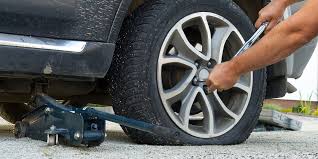
How to Change a Flat Tire vs. Repairing It
Understanding how to change a flat tire is important, but not all flats are repairable.
Repairable Flat Tires
Small punctures
Tread-area damage
No sidewall cracks
Non-Repairable Tires
Sidewall damage
Large punctures
Blowouts
In these cases, you must replace the tires.
When Should You Replace the Tires?
Sometimes, changing a tire isn’t enough. You should replace the tires when:
Tread depth is below 2/32 inches
Tires are older than 6 years
You see bulges or cracks
You’ve had multiple punctures
Driving on worn tires increases accident risk, especially on US highways.
Temporary Spare Tire Safety Tips
Most US vehicles use temporary spare tires (“donuts”).
⚠️ Important reminders:
Max speed: 50 mph
Short distances only
Replace with full-size tire ASAP
Temporary spares are not a long-term solution after learning how to change a tire.
Common Mistakes to Avoid When Changing a Tire
Avoid these errors when practicing how to change a tire:
Not using wheel wedges
Jacking up on uneven ground
Forgetting to retighten lug nuts
Driving long distances on a spare
How Often Should You Practice Changing a Tire?
Experts recommend practicing how to change a tire at least once at home. This builds muscle memory and reduces panic during real emergencies.
Final Thoughts: Mastering How to Change a Tire
Learning how to change a tire is a valuable life skill for every US driver. It saves time, money, and ensures your safety on the road. From understanding how long does it take to change a tire, knowing how much is it to change a tire, and recognizing when to replace the tires, this guide covers everything you need.
Whether you’re dealing with your first flat or simply preparing for emergencies, mastering how to change a tire gives you confidence every time you drive.


 Rameez Aslam