
How Much Is It to Change a Tire? A Complete Guide for 2026
If you’ve ever had a flat tire or noticed that your car’s tires are worn out, you might have asked yourself, “How much is it to change a tire?” The cost can vary depending on several factors, including the type of tire, labor charges, and whether you choose a dealership, tire shop, or do it yourself. In this comprehensive guide, we’ll break down everything you need to know about tire replacement in the United States, including how to change a tire, how long it takes, and tips to save money while ensuring safety.
Table of Contents
Introduction
Factors That Affect Tire Replacement Cost
Average Cost to Change a Tire in the US
How to Change a Tire Yourself
How Long Does It Take to Change a Tire?
Signs You Need to Replace Your Tires
Choosing Between Dealerships, Tire Shops, or DIY
Tips to Save Money on Tire Replacement
Frequently Asked Questions
Conclusion
1. Introduction
Tires are a crucial part of your vehicle, ensuring safety, stability, and smooth driving. But like any car component, they wear out over time. Knowing how much it is to change a tire can help you budget and avoid surprises when your tires need replacement.
Whether it’s a routine replacement or an unexpected flat tire, understanding the process and costs will make your life easier. Plus, learning how to change a flat tire can save you both time and money in emergencies.
2. Factors That Affect Tire Replacement Cost
The cost of changing a tire is not fixed. Several factors determine how much you’ll pay:
a. Type of Tire
All-season tires: Most common and affordable.
Performance tires: Higher cost, designed for speed and handling.
Off-road or specialty tires: Expensive due to unique materials and construction.
b. Labor Costs
Tire shops, dealerships, and mechanics charge labor fees, typically between $15 to $45 per tire. Labor can be higher if you live in a city with higher living costs.
c. Tire Brand and Size
Premium brands like Michelin, Bridgestone, or Goodyear cost more. Larger vehicles, SUVs, and trucks require bigger tires, increasing the price.
d. Additional Services
Some shops charge extra for balancing, wheel alignment, or disposal of old tires. These services are essential for safety and tire longevity.
3. Average Cost to Change a Tire in the US
Here’s a breakdown of typical costs you can expect in the US:
| Tire Type | Cost per Tire | Labor Cost | Total Cost per Tire |
|---|---|---|---|
| Budget/All-season | $50 – $120 | $15 – $45 | $65 – $165 |
| Mid-range/Performance | $120 – $250 | $15 – $45 | $135 – $295 |
| Premium/SUV or Off-road | $250 – $500+ | $15 – $45 | $265 – $545+ |
Remember, these prices are averages. The total for a full set of four tires can range from $260 for budget options to over $2,000 for premium sets.
4. How to Change a Tire Yourself
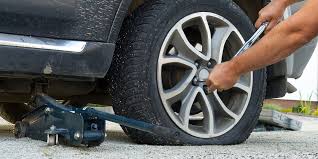
Knowing how to change a tire is a valuable skill, especially if you encounter a flat tire on the road. Here’s a step-by-step guide:
Step 1: Safety First
Park your vehicle on a flat surface.
Turn on hazard lights.
Apply the parking brake and use wheel wedges.
Step 2: Gather Tools
Spare tire
Jack
Lug wrench
Owner’s manual
Step 3: Loosen the Lug Nuts
Slightly loosen the lug nuts while the car is still on the ground.
Step 4: Lift the Car
Use the jack to lift the car until the flat tire is off the ground.
Step 5: Remove the Flat Tire
Completely unscrew the lug nuts and remove the tire.
Step 6: Mount the Spare Tire
Align the spare tire with the lug bolts and push it into place.
Step 7: Tighten the Lug Nuts
Hand-tighten first, then lower the car and fully tighten the lug nuts with the wrench.
Learning how to change a flat tire can save you from calling a tow service and can reduce the overall cost significantly.
5. How Long Does It Take to Change a Tire?
The time required depends on your experience and tools:
Professional mechanic: 15 – 30 minutes per tire
DIY with experience: 20 – 40 minutes per tire
First-time DIY: 40 – 60 minutes per tire
So if you’re asking, “How long does it take to change a tire?”, expect anywhere from 15 minutes to an hour depending on skill level and circumstances.

6. Signs You Need to Replace Your Tires
Worn-out tread (less than 2/32 inch)
Cracks or bulges on the sidewall
Vibrations while driving
Tires older than six years
Uneven wear due to alignment issues
Ignoring these signs can lead to flats or accidents, increasing costs and risks.
7. Choosing Between Dealerships, Tire Shops, or DIY
Dealerships: Convenient but more expensive.
Independent tire shops: Competitive pricing, skilled labor.
DIY: Cheapest if you have the tools and knowledge, but requires safety awareness.
When calculating how much it is to change a tire, consider both the price and your comfort level with DIY repairs.
8. Tips to Save Money on Tire Replacement
Compare prices online before visiting a store.
Look for seasonal promotions or rebates.
Consider buying tires in a set of four rather than one at a time.
Learn Replace the tires yourself to avoid labor fees.
Maintain proper tire pressure to extend tire life.
9. Frequently Asked Questions
Q1: Can I change a tire myself safely?
Yes, with the proper tools, knowledge, and precautions.
Q2: How often should I replace my tires?
Every 6 years or sooner if tread is worn or damage occurs.
Q3: What affects how much is it to change a tire the most?
The type of tire, labor fees, and any additional services like balancing or alignment.
Q4: Can I rotate tires instead of replacing them?
Tire rotation helps extend tire life but doesn’t replace worn-out tires.
10. Conclusion
Knowing how much it is to change a tire helps you plan your budget, prevent emergencies, and maintain safety on the road. Whether you choose to visit a dealership, hire a mechanic, or learn how to change a flat tire yourself, being prepared is key.
Investing in quality tires, performing regular maintenance, and understanding how long it takes to change a tire will save you money and stress in the long run.
If you follow these tips and check your tires regularly, replacing tires can become a simple, stress-free task rather than a financial burden.


 Rameez Aslam